TPE and latex resistance bands in loop, tube, figure-8 and power-band formats with graded resistance levels. Custom colour sets, printed logo and retail sets.
Three materials cover almost every brief. TPE has no latex proteins and no rubber smell, which is what sells into clinics, schools and any market where a latex allergy has to be designed out. Natural latex stretches further and costs less per band, so it is still the choice for heavy resistance work. Silicone keeps its colour and does not go tacky, which suits retail sets that have to look presentable after a year on a shelf.
Shape decides the exercise. Loop bands go round the thighs and knees for warm-ups and glute work. Tubes with handles take a foot pedal or a door anchor for pulling movements. Figure-8 bands fit in a pocket and isolate one arm or one leg. Power bands are the heavy, long-format tool for assisted pull-ups and squats. Each format is cut in its own standard size, from a 60 cm loop up to a 150 cm standing set.
Tension is graded rather than guessed: every format is produced in light, medium and heavy, and the grade is coded by colour so a customer can read it without a chart. Sets, printed logos and retail packaging all come out of one production run, and colours can be matched across the whole set so it photographs as a kit. MOQ is 1,000 pcs, sampling in about 7 days.

Latex and fabric resistance bands — loops, tubes and figure-8 styles; multiple tensions, custom colors and prints.

TPE · 1500*150*0.35mm / 0.45mm / 0.55mm

TPE · 42*14cm

TPE · 42*24cm

Made to order
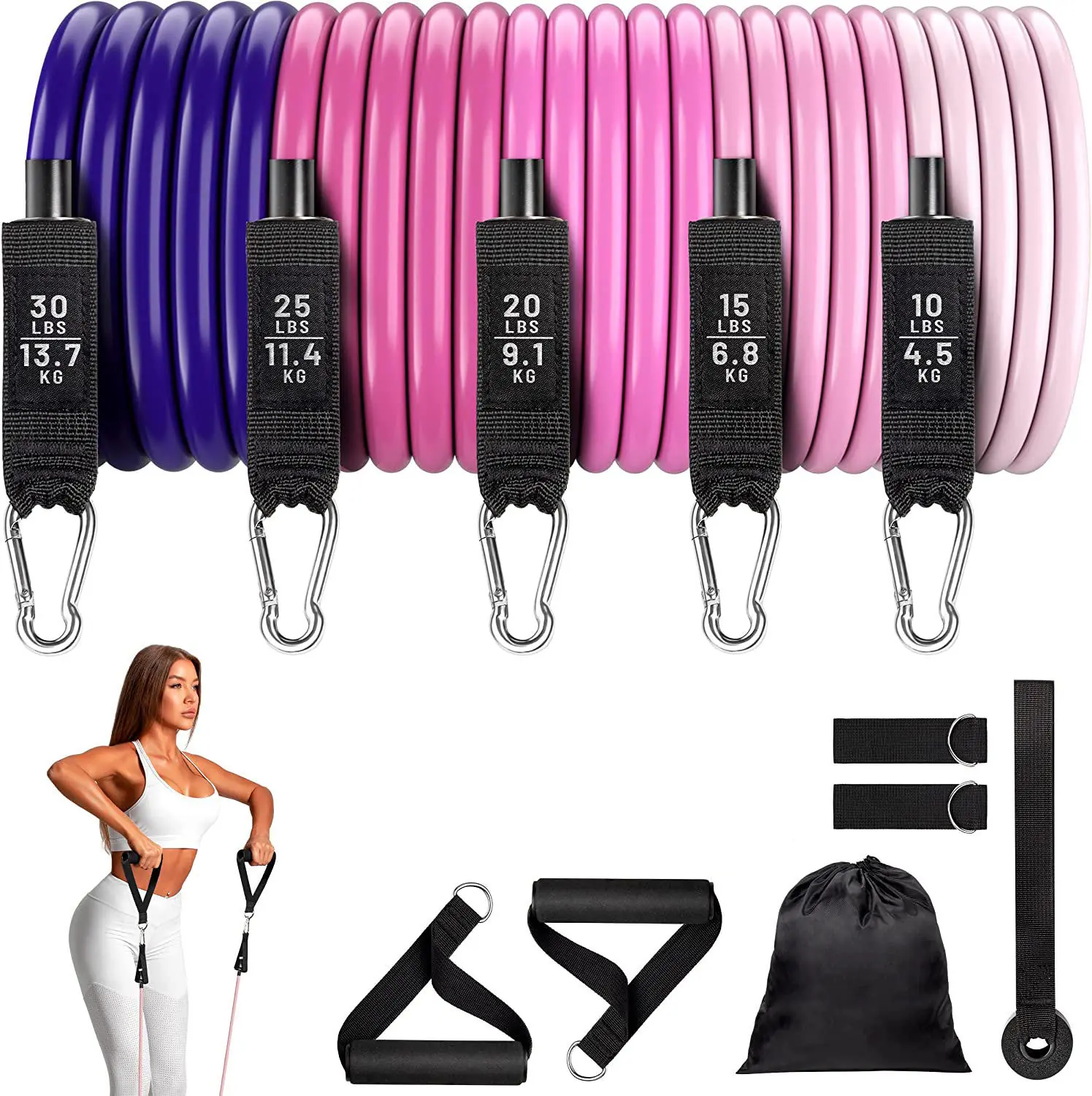
Silicone · 33*6.9cm

TPE · 44cm*9.9cm*5mm

Made to order

Made to order

TPE · 600*50*0.8mm / 1mm / 1.2mm
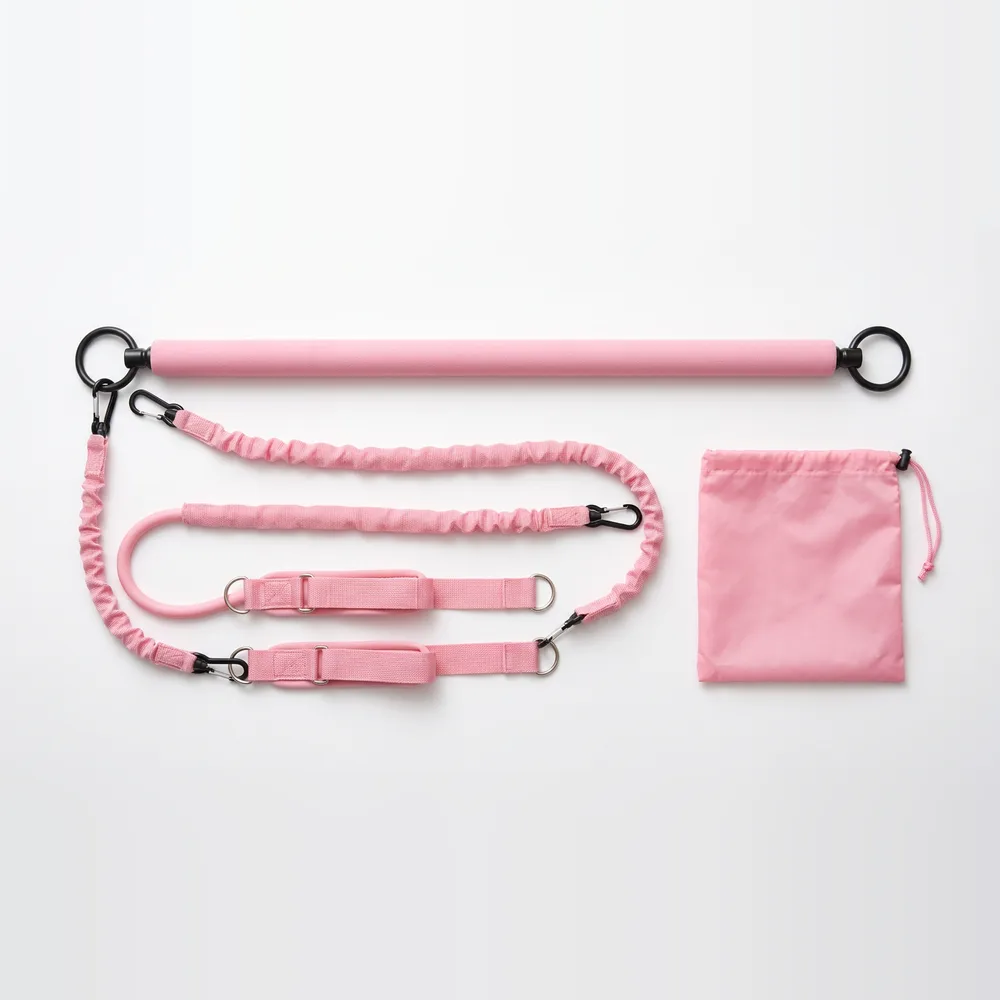
Steel bar + foam grip · latex tube bands · foot straps
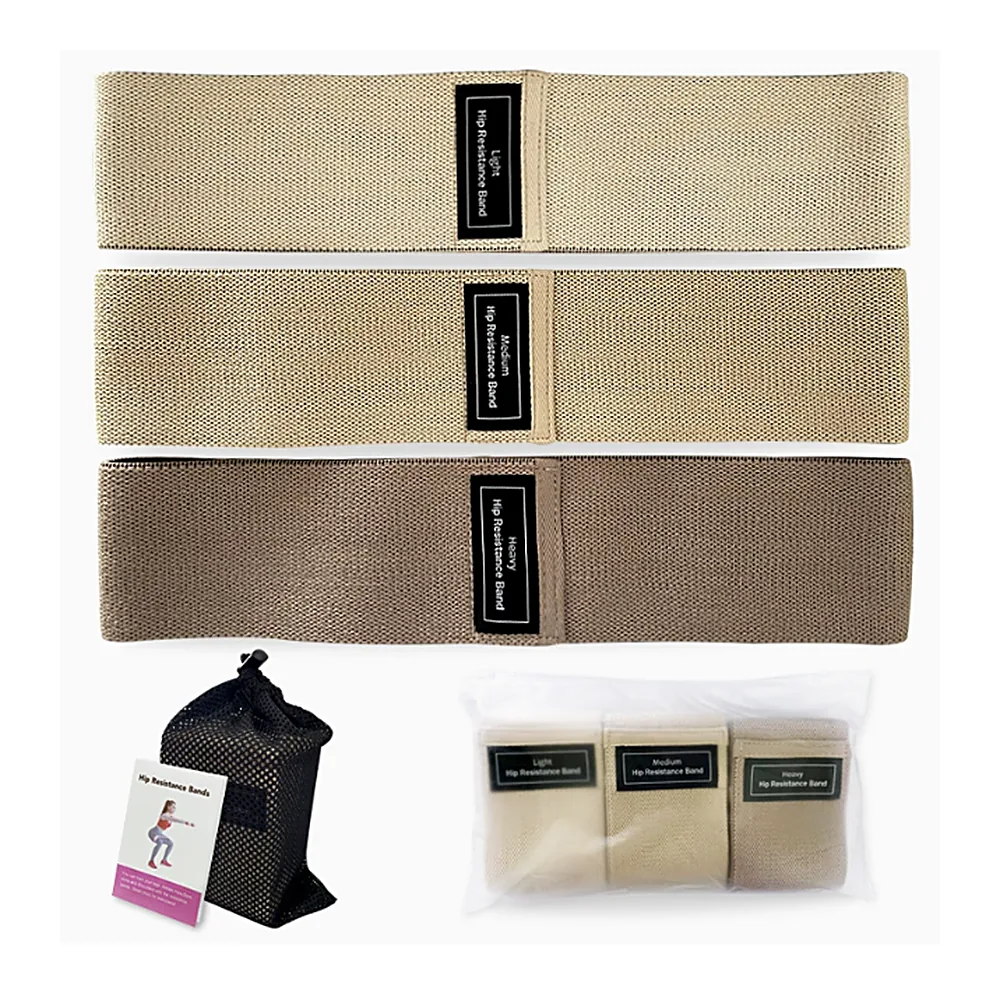
3 bands · 60 / 90 / 120 LB · latex thread + poly-cotton · 355 g/set
The buyer guides we get the most questions about, written from our own production lines:
Send us your drawing, target price or a photo — our sales team replies within 2 hours on working days (Mon–Sat, 09:00–22:00 China time). MOQ from 1,000 pcs.
Get a Quote