
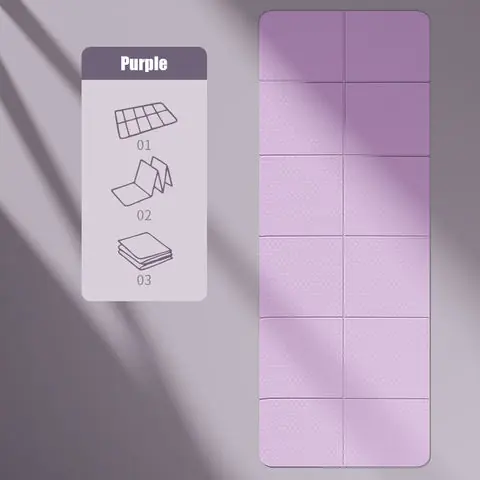
A 7-day sample is a production-representative mat built to your spec: your colour, your logo by emboss, print or laser, and your packaging option, shipped for review within a week of spec confirmation. It is possible because material is allocated from stock on day one, the sample runs on the live production line rather than a lab press, and tooling is in-house. The strategic value is compounding: faster rounds mean you can afford to test two or three design directions instead of betting everything on one, seasonal windows open on schedule, and problems surface on a 100-pcs decision instead of a 3,000-pcs mistake. The first sample is free or credited against your first bulk order. Approve it, sign it as the golden sample, and bulk extends the same batch plan with no re-setup.
What a sample package includes
A 7-day sample is not a bare swatch cut from odds and ends. It is a production-representative mat: your chosen colour matched on the real substrate, your logo by the method you intend to use, and your packaging option assembled — box, belly band or insert. We include the spec sheet the sample was built to, so your engineering and purchasing people can sign off from the same document. You are reviewing the product your customers will receive, not a promise that it will resemble this.
The 7-day timeline, day by day
| Day | What happens |
|---|---|
| Day 1 | Spec confirmed, material allocated from stock |
| Day 2–3 | Foaming and cutting on the live line |
| Day 4 | Logo finish (emboss / print / laser) and QC check |
| Day 5 | Packaging mock-up and photo set sent for early feedback |
| Day 6–7 | Sample packed and handed to courier |
The photo set on day 5 is deliberate. It gives your team an early look at colour and logo placement while the physical sample is still in transit, so feedback can start before the courier arrives.
Why speed compounds
A one-week round does more than save six weeks on a two-round project. It changes what you can afford to test. With slow sampling, most buyers bet the whole launch on a single design because a second attempt costs a quarter. With weekly rounds, testing three colour directions or two thicknesses becomes a normal decision instead of a reckless one. It also decides seasonal wins: a brand that samples in July stocks in September; a brand that samples in September misses the quarter entirely.
What slows sampling down
Most delays are avoidable, and none of them are machine-related. They come from an unclear colour target, so send a Pantone or physical reference. From a logo file that is not vector, so send AI or PDF artwork. And from packaging decisions left open mid-project, which stall the day-5 mock-up. Give us a clean brief and we hold the 7-day window. If a request genuinely needs new tooling — a 122 cm (48") width, for example — we say so on day one and quote a realistic date rather than missing the one we implied.
What a sample costs
For most standard specs the first sample is free or credited against your first bulk order. Highly bespoke tooling may carry a modest sample fee, rolled into the bulk quote. Either way, treat it as insurance: a wrong bulk run of 3,000 pcs costs more than every sample round you will ever pay for.
From sample approval to bulk
Approval triggers bulk with no re-setup: the same batch plan extends to 500 or 3,000 pcs. Lead time for bulk is 15–25 days depending on product and quantity, and the first bulk carton is checked against the approved sample before it ships. If you want the formal version of this — one signed reference held by each side, checked at every inspection — that is the golden sample process described in our launch guide.
How to give feedback that speeds round two
Specific, measurable feedback gets a fast second round; a feeling does not. Thickness in millimetres, a colour reference, a grip expectation described against a competitor mat, logo position in centimetres from the edge. A factory can act on a number. It cannot act on "make it feel more premium". The single biggest factor in how fast your second sample arrives is how precise your first feedback was.
FAQ
Does a 7-day sample include custom packaging?
It can. Send your artwork with the sample request and the prototype can be packed in your own printed sleeve or box rather than neutral packaging. Packaging adds a little time when it needs printing, so confirm the artwork format early.
How many sample rounds are normal?
One to two rounds for most projects. The first sample confirms material, thickness, colour and logo placement. A second round appears when a specification needs adjusting. More than three rounds usually means the brief was unclear, not that the factory is slow.
Do I pay for samples?
Most factories charge for samples and credit the cost against your bulk order. The sample fee covers setup and material, and it filters out non-serious enquiries. Ask up front whether the fee is refundable on order.
What if the sample is not right?
Give specific, measurable feedback — thickness in millimetres, a colour reference, a grip expectation, logo position — rather than a vague feeling. A factory can act on a number; it cannot act on a feeling. That is the single biggest factor in how fast round two arrives.
Related reading
Where this fits in our own catalogue:
Ready to see the real thing? Send your spec — target dimensions, material, brand colours — and a production-representative sample ships within 7 days. Request a sample.